
Rendit Bitrow advanced digital asset management framework explained in detail
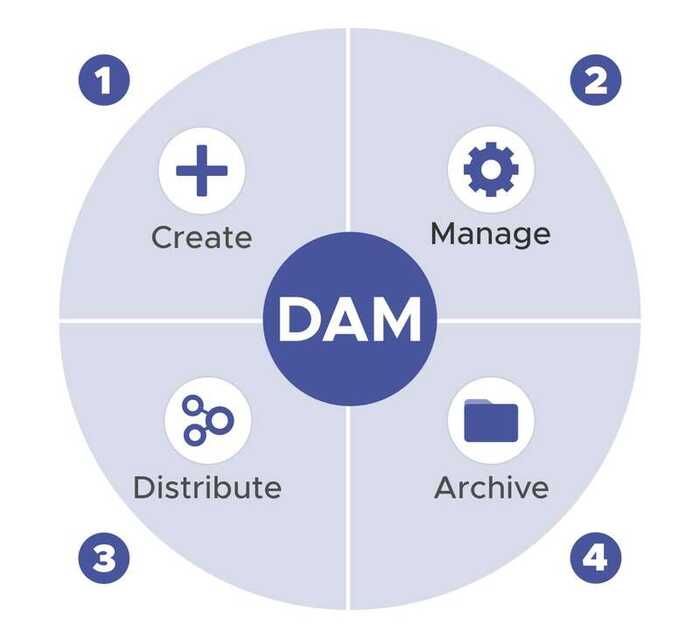
Utilize tailored solutions to enhance the organization and retrieval of multimedia files. Implementing a robust system can drastically streamline workflows, allowing for superior collaboration across teams. Leverage tools that facilitate easier integration with existing platforms, ensuring a seamless transition for your organization.
Integrate automation features to reduce manual tasks and minimize errors. By incorporating AI-driven analytics, you can gain insight into asset utilization patterns, enabling informed decisions regarding resource allocation. Consider solutions that emphasize user-friendly interfaces, as these greatly enhance adoption rates among all users.
For further insights and practical applications, explore rendit-bitrow-ai.org, where you can find valuable resources tailored to optimizing your content stewardship. Adaptability to unique requirements stands as a key factor–customization is not just a luxury but a necessity for successful implementation.
Integrating Rendit Bitrow with Existing Digital Asset Workflows
Connect the asset repository to your current management tools using APIs. Ensure that data flows seamlessly between systems, which will enhance response times and prevent data silos.
Standardizing File Formats
Convert all assets to standardized formats before import. Doing so ensures compatibility across platforms, reducing the need for manual conversions that can slow down processes and lead to errors.
Automating Ingests and Exports
Implement automation scripts to handle repetitive tasks. Schedule imports and exports based on project timelines, streamlining workflow and allowing team members to focus on creative tasks rather than administrative duties.
- Choose a consistent naming convention for assets.
- Utilize metadata tagging to improve searchability and organization.
Regular training sessions for team members will enhance understanding and ensure maximum utilization of system capabilities. Encourage feedback to refine processes and address any operational difficulties swiftly.
- Integrate security protocols to protect sensitive data.
- Monitor system performance metrics to identify areas of improvement.
Leverage user feedback to adapt and refine the implementation strategy. Regular updates can provide enhancements without disrupting established workflows. Ensure documentation is accessible to all stakeholders, offering clear guidelines for troubleshooting.
Q&A:
What is the Rendit Bitrow Advanced Framework for Digital Asset Management?
The Rendit Bitrow Advanced Framework for Digital Asset Management is a structured approach designed to streamline the organization, storage, and retrieval of digital assets. It incorporates various technologies and methodologies that help businesses manage their digital content more effectively. The framework aims to improve accessibility and collaboration among team members while ensuring that assets are securely stored and easily retrievable when needed.
How does the framework enhance collaboration between teams?
This framework includes features such as centralized storage, version control, and user permissions that facilitate teamwork. By allowing team members to access the same set of digital assets and collaborate in real-time, projects can progress more smoothly. Teams can share feedback, make updates, and track changes, which reduces duplication of efforts and enhances productivity overall.
Can the Rendit Bitrow framework be integrated with other software tools?
Yes, the Rendit Bitrow Advanced Framework is designed for compatibility with various software tools. Integrations with project management, content creation, and marketing platforms can be established to enhance functionality and data sharing. This interoperability allows organizations to create a cohesive workflow across different applications, streamlining processes and reducing silos between departments.
What types of digital assets can be managed using this framework?
The framework is versatile and can manage a wide range of digital assets including images, videos, documents, audio files, and even social media content. By categorizing these assets effectively, businesses can ensure that all digital content is easy to find and use. This capability is particularly useful for marketing teams, agencies, and content creators who need access to a diverse library of materials.
What are the security features included in the Rendit Bitrow framework?
Security is a key component of the Rendit Bitrow Advanced Framework. It includes user authentication, encryption of data both at rest and in transit, and permissions management to control who can access specific assets. These features help protect sensitive information and ensure compliance with data protection regulations, giving organizations peace of mind when storing and sharing their digital assets.
Reviews
SilentHunter
With yet another framework promising to revolutionize the way we manage our digital assets, I can’t help but wonder if we’ve collectively decided to engage in a never-ending competition to create the most convoluted solutions to incredibly simple problems. This one’s packed with the usual buzzwords, yet somehow manages to sound as exciting as watching paint dry. If only they could inject a bit more flair into these innovations—perhaps a magical feature that organizes your files while simultaneously making you a cup of coffee. For now, we’ll just settle for a shiny new interface and hope the bugs don’t outlive the hype. Cheers to progress!
FairyQueen
Absolutely thrilled to see such innovation! This framework is a breath of fresh air for managing assets like a pro. Bravo!
Samuel
It’s amusing how everyone throws around buzzwords like they actually mean something. This framework seems like another attempt to dazzle us with jargon rather than deliver real solutions. Can’t wait to see the actual results, if they ever materialize.
Daniel
How do you envision the integration of user feedback within your framework to ensure it evolves alongside the shifting demands of asset management while maintaining a balance between innovation and accessibility?
IronClad
How does the Rendit Bitrow Advanced Framework specifically enhance the user experience in managing digital assets? Are there unique features that set it apart from existing solutions? Additionally, I’m curious about how it addresses the challenges users face daily in organizing and accessing their assets. What’s the philosophy behind its design choices, and how do you envision it adapting to future trends in asset management? Lastly, can you share any insights on user feedback that has influenced recent updates or features?
 ProMina Agency