
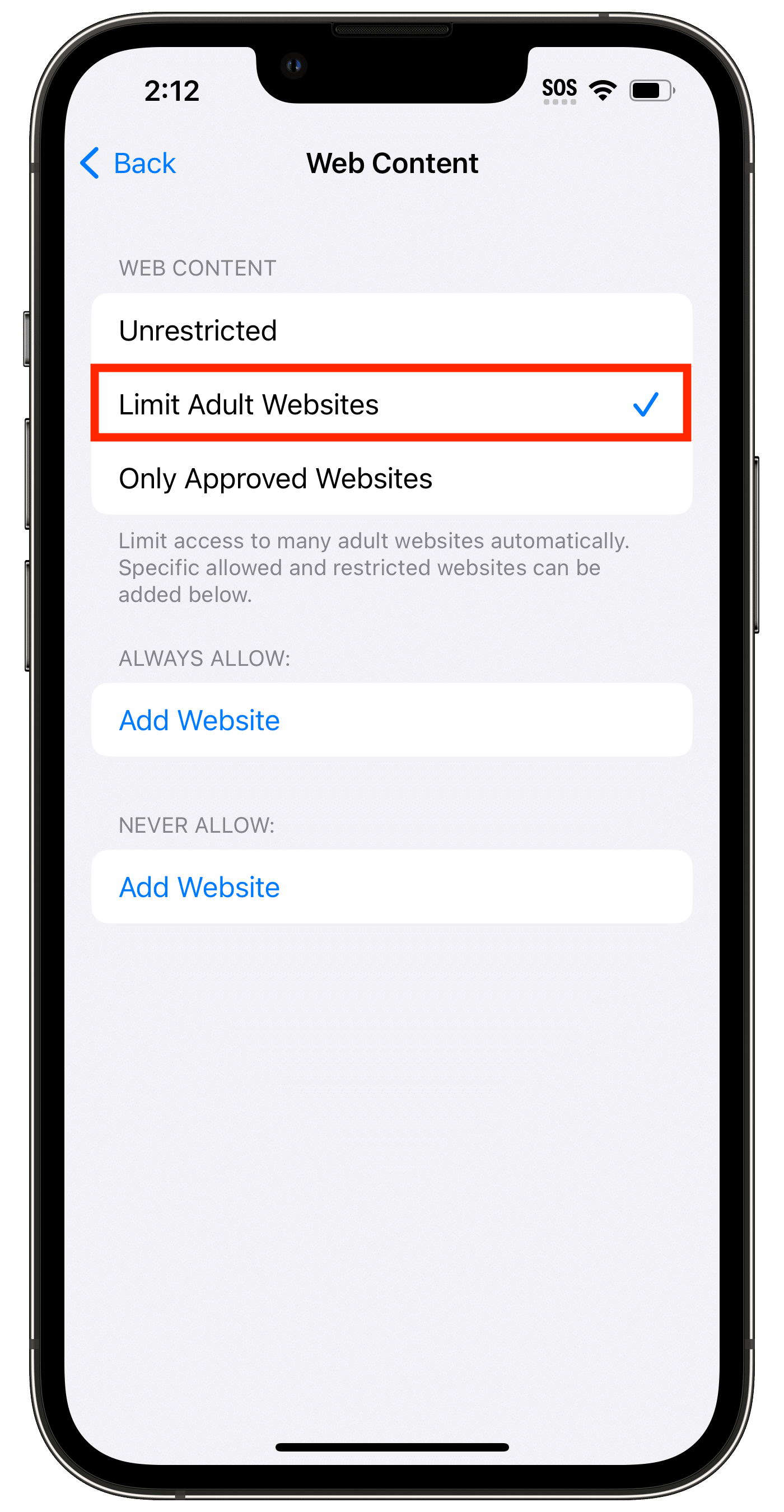
Exploring the Digital Landscape: Which Sites Are Not Blocked?
In an era where digital access is a fundamental aspect of life, understanding which sites are not restricted or blocked becomes increasingly vital. The internet is a vast resource, but certain websites can become inaccessible due to regional regulations, censorship, or other constraints. This article will delve into various types of sites that are commonly not blocked and the implications for users. For instance, many enthusiasts may seek out which sites are not on GamStop? gambling sites not blocked by GamStop to continue their gaming experiences, emphasizing the search for accessible platforms in restricted environments.
Understanding Internet Censorship
Internet censorship can occur for a multitude of reasons, including government regulations, corporate policies, and public safety measures. Different countries have varying standards when it comes to digital content, leading to a diverse landscape of blocked sites. In highly regulated markets, users often find themselves unable to access what some consider essential services or information.
Common Reasons for Site Blocking
- Legal Restrictions: Governments may impose legal frameworks that require certain websites to be blocked. This can include adult content, gambling, or political information that contradicts state policies.
- Copyright Issues: Many sites that facilitate the sharing of copyrighted material are frequently targeted by blocking measures to protect intellectual property.
- Security Concerns: Sites that are believed to be involved in fraudulent activities or scams may face blocking to protect users from potential harm.
- Social Norms: Social and cultural attitudes towards certain content can lead to blocks being placed on sites considered inappropriate or offensive.
Types of Sites Typically Not Blocked
Despite these restrictions, numerous categories of sites often remain accessible, offering users a range of options in a restrictive digital landscape. Here are some common examples:
1. News Websites
Most mainstream and alternative news websites are generally accessible, providing users with diverse perspectives. These platforms play a crucial role in disseminating information and often remain unblocked, even in countries with strict censorship laws. However, it’s important to note that some specific articles or reports may be censored, depending on the topic.
2. Educational Resources
Sites affiliated with education, such as online courses, research resources, and digital libraries, are often deemed essential. Consequently, governments typically refrain from blocking access to these invaluable tools, as education is universally recognized as a pillar of development.
3. Non-Governmental Organizations (NGOs)
Many NGOs work towards promoting human rights, environmental sustainability, and social welfare. Their websites often remain accessible, allowing potential donors and advocates to find information and support their causes without fear of censorship.
4. Open Source Software Sites
Websites that host open source software or tools often avoid blocking due to the collaborative nature of their content. These resources facilitate innovation and support users in enhancing their digital experiences.
Implications of Accessing Unrestricted Sites
Accessing sites that are not blocked can have several implications for users. While the unrestricted access often leads to a wealth of information and resources, it also comes with potential risks. Users must remain vigilant and aware of the following:
1. Security Risks
Not all accessible sites are safe. Users may encounter phishing websites or malicious content disguised as legitimate offerings. It’s crucial to employ security measures such as VPNs or trusted antivirus software to protect personal information.
2. Misinformation
With the rise of accessible information comes the challenge of discerning fact from fiction. Users must develop critical thinking skills to evaluate the credibility of the sources they encounter, particularly on social media and less regulated news platforms.
3. Legal Consequences
Accessing certain types of blocked content can lead to legal repercussions, depending on jurisdiction. Users should be aware of their local laws and regulations to avoid unintended violations while seeking unblocked sites.
Conclusion
In conclusion, navigating the digital landscape to find sites that are not blocked involves understanding the nuances of internet censorship and the categories of content that typically remain accessible. While there are numerous resources available, users must also exercise caution and critical thinking to ensure they are consuming accurate and safe information. As we continue to evolve in our digital interactions, the pursuit of unblocked sites will remain a relevant and important endeavor.
 ProMina Agency