
What Gambling Sites Are Not
When discussing gambling sites, it’s essential to clarify what they are not. Many misconceptions surround these platforms, often leading to confusion among users. Gambling sites are not just portals for wagering money; they encompass a wide range of services, regulations, and user experiences. Understanding these distinctions can help players make informed choices. To delve deeper into this topic, you can visit what gambling sites are not on GamStop togetherahealthierfuture.org.uk, which provides additional insights into responsible gambling practices and community support.
1. Gambling Sites Are Not All the Same
One of the most significant misconceptions about gambling sites is the belief that they are all identical. In reality, each site employs different features, payment methods, game offerings, and customer service approaches. Some platforms cater specifically to sports betting, while others focus on casino games or poker. Additionally, licensing and regulation vary across different jurisdictions, affecting the security and legitimacy of each site. As a player, it is crucial to understand these differences and choose a site that aligns with your preferences and needs.
2. Gambling Sites Are Not Just About Winning
A common perception is that gambling sites exist solely to provide opportunities for winning money. While winning is undoubtedly an aspect of gambling, these sites also focus on entertainment, social interaction, and community building. Many users engage with gambling platforms not just for financial gain, but for the thrill of the game and the chance to connect with others. Therefore, it’s essential to view gambling sites as entertainment venues rather than merely profit-making enterprises.
3. Gambling Sites Are Not Unregulated
Another prevalent myth is that gambling sites operate without any regulation or oversight. This is far from the truth; reputable platforms are licensed and regulated by governing bodies that enforce strict standards. These regulations are designed to protect players, ensure fair play, and maintain the integrity of the gaming experience. However, not all gambling sites are created equal, and some may operate without proper licensing. It’s crucial for players to verify the legitimacy of a site before engaging in any gambling activities.
4. Gambling Sites Are Not Required to Offer Bonuses
Promotion and bonuses are popular marketing strategies among gambling sites, but they are not obligatory. Players often expect bonuses as a standard feature, but it’s important to understand that not all sites will offer them. Furthermore, the terms and conditions associated with these bonuses vary significantly, and some may even come with wagering requirements that make it hard to cash out winnings. Therefore, players should carefully read the fine print associated with any promotions before committing to a site.
5. Gambling Sites Are Not Just for High Rollers
Many people believe that gambling sites are designed exclusively for high rollers or professional gamblers. However, this is misleading. Today’s gambling platforms cater to a wide range of players, from casual participants to serious bettors. Many sites offer games with varying stakes, allowing everyone to find suitable options regardless of their budget. There are low-stakes games and promotions tailored to new players, ensuring that the gambling world is accessible to all.
6. Gambling Sites Are Not Immune to Risks
While gambling can be a fun pastime, it’s vital to acknowledge that gambling sites are not free from risks. Players can experience financial loss, addiction, and other negative consequences associated with gambling. Recognizing that these risks exist is crucial to promoting responsible gambling behavior. Players should set limits, stay informed about the symptoms of problem gambling, and seek help if they feel their gambling is becoming problematic.
7. Gambling Sites Are Not Just for Young Adults
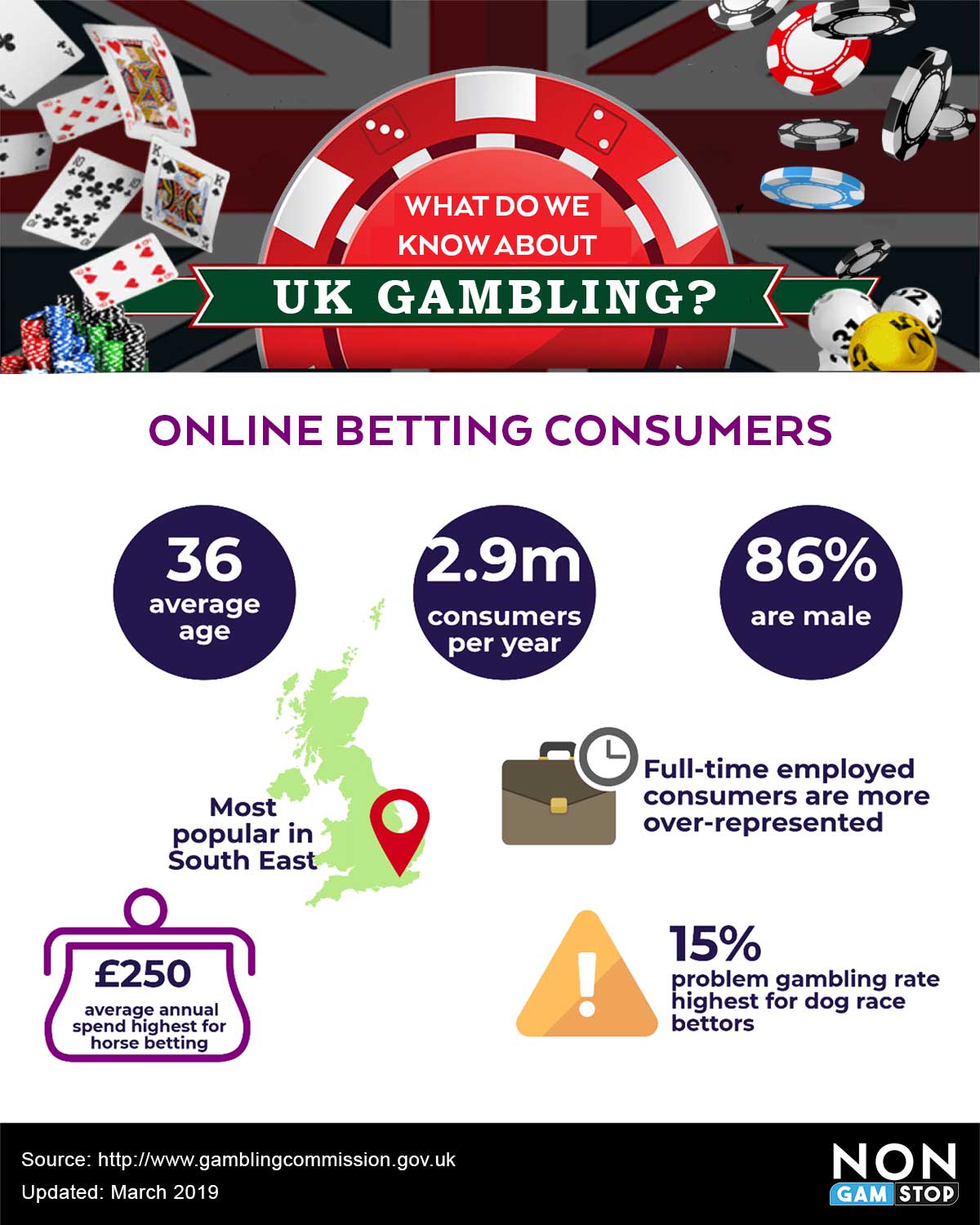
Another misconception is that gambling sites are exclusively for young adults or millennials. In reality, individuals from various age groups engage in online gambling. The demographics of players include older adults and even retirees who enjoy gaming as a hobby. As technology has advanced and online platforms have become more user-friendly, the accessibility of gambling has expanded to a broader audience. Hence, gambling sites are not limited to one particular age group.
8. Gambling Sites Are Not Entirely Anonymous
Many players presume that using gambling sites allows them to operate completely anonymously. While user accounts can be private to a degree, registration typically requires personal information for identity verification. Additionally, most reputable sites are required to implement Know Your Customer (KYC) policies to prevent fraud and ensure compliance with gambling regulations. Players should understand that while they may enjoy a certain level of privacy online, complete anonymity cannot be guaranteed.

9. Gambling Sites Are Not Places for Guaranteed Income
Lastly, it’s a common fallacy that gambling can be a reliable source of income. Many individuals are lured into the world of gambling by the potential for large payouts, but this can lead to disappointment. The reality is that gambling should not be viewed as a means of making money. Most gambling activities come with a house edge, meaning the odds are typically in favor of the casino or platform rather than the player. Understanding this aspect is crucial to approaching gambling as a form of entertainment rather than a business venture.
Conclusion
In conclusion, gambling sites are surrounded by numerous myths and misunderstandings. By clarifying what gambling sites are not, we can provide players with a more accurate understanding of their purpose, risks, and operations. It’s essential for anyone considering online gambling to educate themselves on the realities of these platforms and engage in responsible gaming practices. Responsible gambling ensures that this form of entertainment remains enjoyable and safe for everyone involved.
 ProMina Agency