
.gif)
The Art and Science of Demos: Engaging Your Audience Effectively
In today’s fast-paced world, the ability to communicate ideas effectively is crucial. Whether you are in business, education, or technology, a demo can serve as a powerful tool for conveying information and engaging your audience. In this article, we will delve into the significance of demos, the elements that make them successful, and how you can utilize them to your advantage. One of the finest examples of how to successfully engage an audience can be seen at demo churchhouseberkshire.co.uk, showcasing the potential of well-executed demonstrations.
Understanding the Purpose of a Demo
At its core, a demo is designed to showcase a product, service, or concept to an audience. Its purpose extends beyond mere presentation; it aims to create an experience that resonates with the viewers. Demos serve various functions depending on the context in which they are used:
- Education: In academic settings, demos can illustrate complex concepts, making them more accessible to students.
- Sales: In a business environment, demos are essential for demonstrating a product’s features and benefits, thus encouraging potential customers to make a purchase.
- Training: Demos can be valuable tools in training sessions, helping employees understand new systems or procedures.
The Elements of an Effective Demo
Creating a compelling demo requires a combination of various elements. Here are the key components that can make your demo stand out:
1. Clear Objectives
Before you begin constructing your demo, it’s essential to define clear objectives. What do you want your audience to learn or do after viewing your demo? Establishing these goals will guide the content and structure of your presentation.
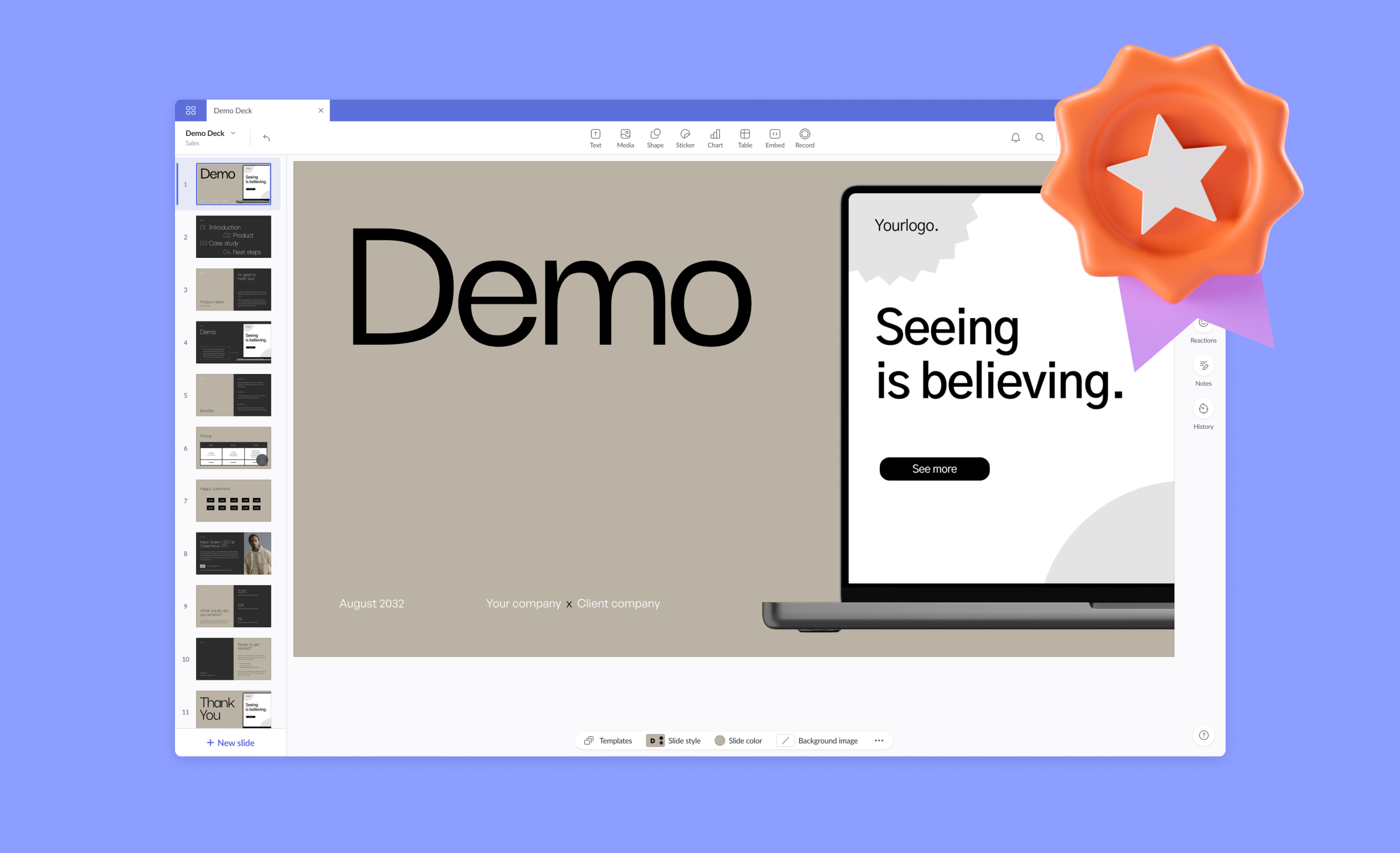
2. Engaging Content
To maintain your audience’s attention, your content must be engaging. Use storytelling techniques, relatable examples, and visuals to create a narrative that captivates your viewers. Avoid overwhelming your audience with excessive information; instead, focus on delivering key messages effectively.
3. Interactive Elements
Incorporating interactive elements can significantly enhance the engagement level of your demo. This can include Q&A sessions, live polls, or even hands-on experiences. The goal is to involve your audience actively, allowing them to feel more connected to the content.
4. Visual Aids
Visual aids such as slideshows, videos, or live demonstrations can help clarify your points and make your demo more memorable. Ensure that your visuals are high quality and support the narrative rather than detract from it. Remember, a picture is worth a thousand words.
5. Practice and Delivery
The delivery of your demo is just as crucial as its content. Practicing beforehand can help you refine your presentation style, ensuring that you appear confident and knowledgeable. Pay attention to your pace, tone, and body language, as these can greatly influence audience perception.

Best Practices for Conducting a Demo
To maximize the effectiveness of your demo, consider these best practices:
1. Know Your Audience
Understanding your audience’s needs, preferences, and knowledge level will help tailor your demo to their expectations. Conducting a pre-demo survey can provide valuable insights into what your attendees would like to see.
2. Set the Scene
Creating the right environment can enhance the effectiveness of your demo. Ensure that your presentation space is free of distractions, and set up any necessary equipment in advance. A well-organized space fosters focus and engagement.
3. Time Management
Be mindful of the time you allocate for your demo. Keeping it concise is vital; aim for clarity and brevity. A lengthy presentation can lead to audience disengagement. Practice timing your demo and allocate time for questions at the end.
4. Follow Up
After your demo, consider following up with your audience. This can include sending a summary of what was discussed, additional resources, or a feedback survey. Engaging with your audience post-demo reinforces the connections made during the presentation.
Conclusion
In conclusion, demos are a fundamental aspect of effective communication in various contexts. By understanding their purpose and employing best practices, you can deliver engaging and impactful presentations that resonate with your audience. Whether you are showcasing a new product, teaching a complex concept, or training employees, the art of demos can significantly enhance your communication strategy. Start experimenting with these techniques today, and watch as your ability to captivate your audience grows!
 ProMina Agency